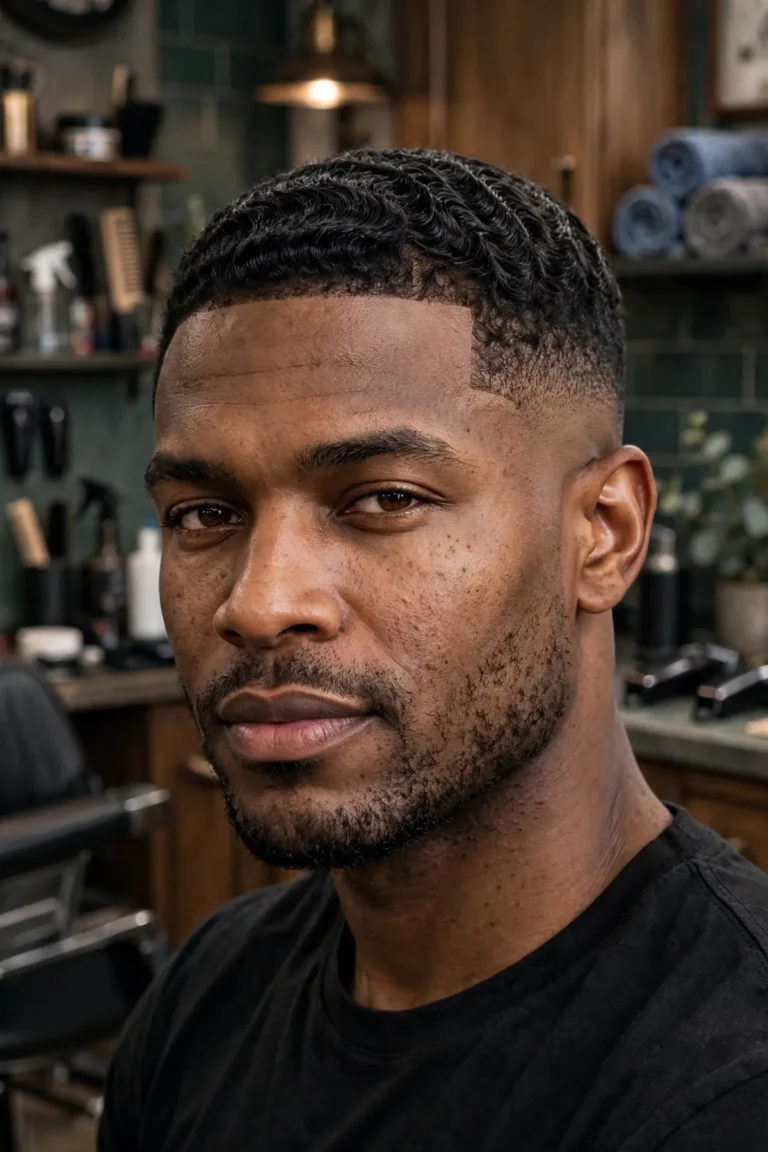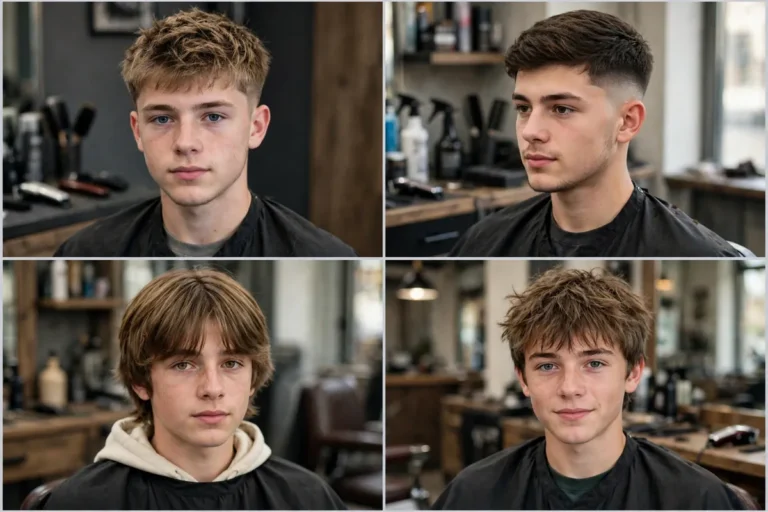
21 Flattering Older Men’s Hairstyles
Finding the right haircut gets trickier with age. Hair often thins at the crown, greys unevenly, or loses the density it once had, and a style that worked at 30 can suddenly look tired at 55. The good news is that older men’s hairstyles today are built around exactly this reality they’re designed to add structure, hide thinning patches, and work with grey rather than fight it. A good barber will tell you the same thing after years behind the chair: the cuts that age best are rarely complicated. This guide breaks down 21 flattering styles, tagged by difficulty and maintenance, so you can walk into your next appointment already knowing what to ask for.
21 Flattering Older Men’s Hairstyles
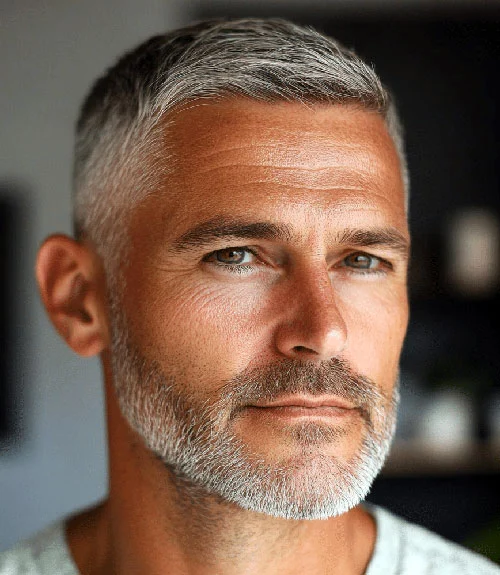
1. Classic Crew Cut
Difficulty: Easy
Maintenance: Low
Styling Time: 2–5 minutes
Overview: The crew cut keeps the sides short and the top just long enough to comb or finger-style. It’s neat, structured, and never looks fussy.
Why It Works: Straight or wavy hair holds this shape best, and it suits oval and square faces by adding clean lines without extra bulk. It’s a favorite for active men who don’t want to think about their hair after a shower.
Styling Tip: Work a small amount of matte hair cream through damp hair and comb it forward, then set the direction with your fingers for a natural finish.
Maintenance: Ask your barber to trim every 3–4 weeks to keep the taper crisp — this is one of the easiest mens haircuts to keep looking sharp between visits. Maintenance and styling times are estimates and may vary by hair type.
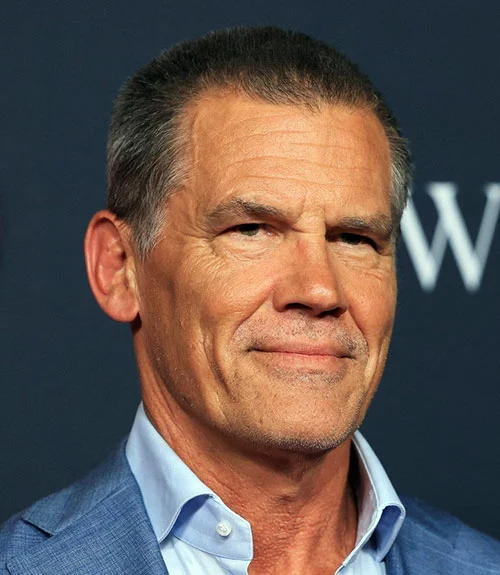
2. Buzz Cut
Difficulty: Easy
Maintenance: Low
Styling Time: Under 2 minutes
Overview: One length all over, clipped close to the scalp. It’s blunt, honest, and works with whatever your hair is doing these days.
Why It Works: The buzz cut suits every hair type, including thinning or receding hair, because there’s no length to expose gaps. It flatters oval, round, and square faces equally well.
Styling Tip: No product needed day to day, but a light dab of hair wax after a shower can add a subtle sheen if you want a slightly more polished look.
Maintenance: Rebuzz every 2–3 weeks with clippers at home, or see your barber monthly. It’s the lowest-effort haircut on this list. Maintenance and styling times are estimates and may vary by hair type.
3. Textured Crop
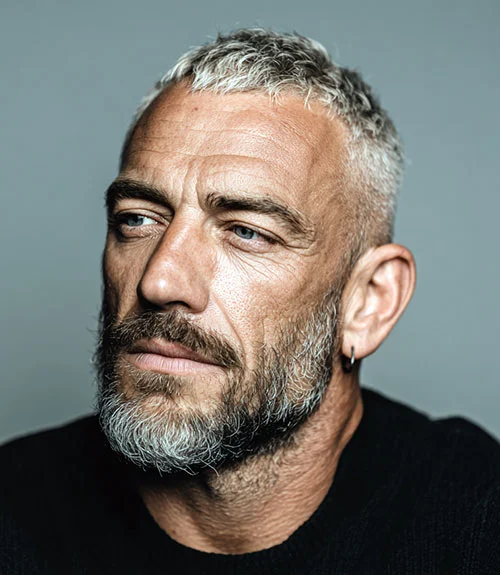
Difficulty: Medium
Maintenance: Medium
Styling Time: 5–10 minutes
Overview: Short, choppy layers on top with tapered sides create a cut full of natural texture and movement without needing daily precision.
Why It Works: Thick or wavy hair shows off the texture best, and the shorter length flatters oval and longer face shapes by adding width at the crown.
Styling Tip: Apply a pea-sized amount of matte clay to dry hair and rough it up with your fingers, pushing pieces slightly forward for separation.
Maintenance: Trim every 4 weeks to keep the layers from growing shapeless, and use a leave-in cream on drier days to control frizz. Maintenance and styling times are estimates and may vary by hair type.
4. Classic Side Part

Difficulty: Medium
Maintenance: Medium
Styling Time: 5–8 minutes
Overview: A defined part with the top combed neatly to one side — timeless, formal, and instantly recognizable as a mature gentleman’s cut.
Why It Works: Fine or straight hair takes a part well, and the structured shape flatters oval and square faces by drawing a clean diagonal line across the forehead.
Styling Tip: Comb a light-hold pomade through damp hair before drying, tracing the part with a fine-tooth comb for a crisp line.
Maintenance: Reset the part each morning with a comb, and get the perimeter trimmed every 3–4 weeks so the line stays sharp. Maintenance and styling times are estimates and may vary by hair type.
5. Comb Over Fade
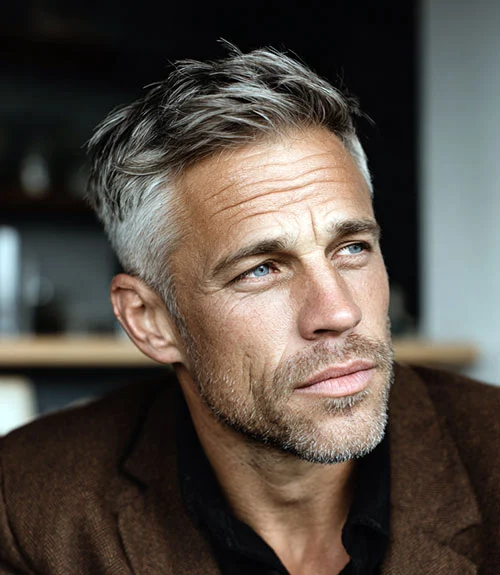
Difficulty: Medium
Maintenance: Medium
Styling Time: 5–10 minutes
Overview: The top is left long enough to sweep across the head, while a fade on the sides adds sharp contrast underneath.
Why It Works: This is one of the best older mens hairstyles for disguising a receding hairline or thinning crown, since the length on top can be angled to cover sparse patches. It suits round and square faces especially well.
Styling Tip: Blow-dry the top in the direction you want it to sit, then finish with a matte pomade to hold the sweep without shine.
Maintenance: Book fade touch-ups every 2–3 weeks since fades grow out faster than the length on top. Maintenance and styling times are estimates and may vary by hair type.
6. Ivy League Cut

Difficulty: Easy
Maintenance: Low
Styling Time: 3–6 minutes
Overview: A longer, refined cousin of the crew cut, with slightly more length on top swept gently to one side from a soft part.
Why It Works: Straight or thick hair holds the shape well, and the extra height at the crown flatters oval and longer faces by balancing proportions.
Styling Tip: Use a lightweight hair cream rather than a heavy pomade, so the finish stays soft and collegiate rather than slicked.
Maintenance: This ivy league mens haircut only needs a trim every 4 weeks and almost no daily fuss — comb it, go. Maintenance and styling times are estimates and may vary by hair type.
7. Slicked Back Undercut
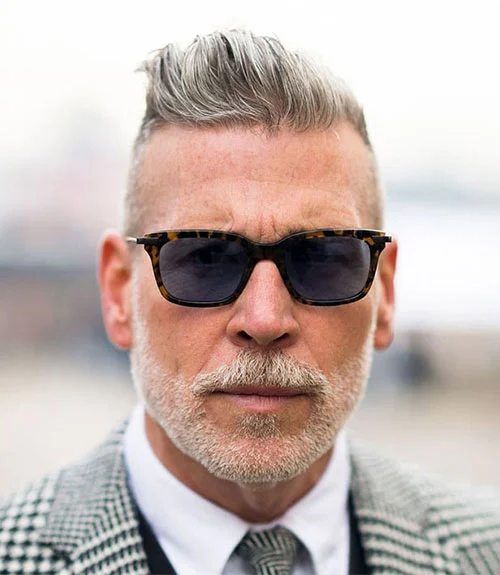
Difficulty: Medium
Maintenance: Medium
Styling Time: 8–12 minutes
Overview: Disconnected short sides paired with a longer top combed straight back for a sharp, high-contrast silhouette.
Why It Works: Thick or wavy hair gives the top enough body to hold the slicked shape, and the strong lines flatter square and oval faces with defined bone structure.
Styling Tip: Comb a strong-hold pomade through towel-dried hair from root to tip, working section by section for even coverage.
Maintenance: Wash out styling product nightly to protect the scalp, and get the undercut sides refreshed every 2–3 weeks. Maintenance and styling times are estimates and may vary by hair type.
8. Textured Quiff

Difficulty: Medium
Maintenance: Medium
Styling Time: 8–10 minutes
Overview: The front section is lifted and pushed slightly back and up, creating soft height without the sculpted stiffness of a pompadour.
Why It Works: Thick or wavy hair gives the lift staying power, and the added height flatters oval and round faces by elongating the profile.
Styling Tip: Blow-dry the front upward with a round brush, then finger-style with a lightweight hair cream to keep the texture loose rather than glued down.
Maintenance: A monthly trim keeps the front section at the right length for lift — too long and it flops instead of standing. Maintenance and styling times are estimates and may vary by hair type.
9. Classic Pompadour
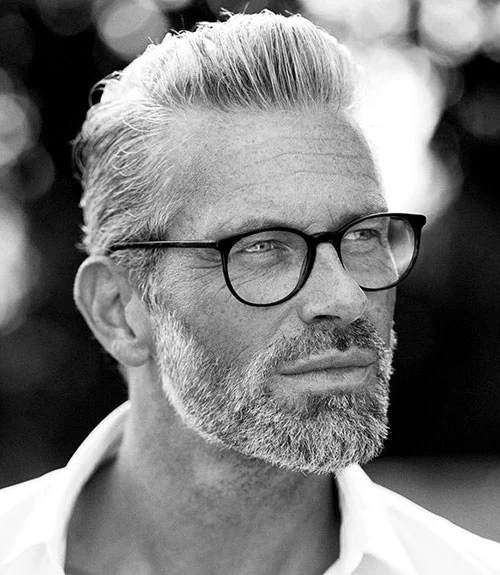
Difficulty: Advanced
Maintenance: High
Styling Time: 10–15 minutes
Overview: A bold, structured wave of hair swept up and back from the forehead, tapered close at the sides for contrast.
Why It Works: Thick, straight hair holds this shape most reliably, and the height it adds flatters oval and longer face shapes with real presence.
Styling Tip: Blow-dry hair forward first, then back and up with a round brush, finishing with a firm-hold pomade to lock the wave in place all day.
Maintenance: Expect a daily styling routine with this one, plus trims every 3–4 weeks to keep the shape from growing heavy. Maintenance and styling times are estimates and may vary by hair type.
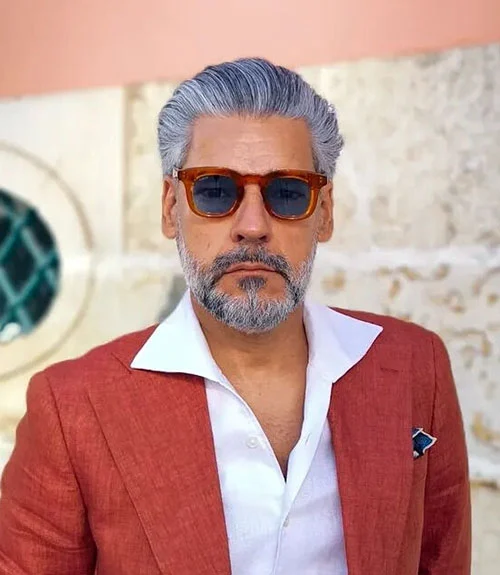
10. Brush Back
Difficulty: Medium
Maintenance: Medium
Styling Time: 6–10 minutes
Overview: Hair is brushed straight up and back from the forehead and temples, blending into tapered sides for a sculpted, confident shape.
Why It Works: Wavy or thick hair gives this style the body it needs, and it suits oval and square faces by framing the forehead cleanly.
Styling Tip: Apply matte cream to damp hair, then blow-dry backward with a vented brush to build lift without added shine.
Maintenance: Keep the sides tapered with a trim every 3 weeks, and re-brush the top each morning with a light comb-through. Maintenance and styling times are estimates and may vary by hair type.
11. Caesar Cut

Difficulty: Easy
Maintenance: Low
Styling Time: 2–4 minutes
Overview: Short, horizontally cut fringe with even length all over — a clean, understated cut with Roman roots.
Why It Works: Straight or fine hair suits this cut best, and the short fringe flatters round and square faces by adding a straight line across the forehead.
Styling Tip: Work a small amount of hair wax through dry hair and press the fringe forward with your palm rather than a comb, for a natural finish.
Maintenance: A trim every 3–4 weeks keeps the fringe length consistent, since this cut relies on precision rather than styling. Maintenance and styling times are estimates and may vary by hair type.
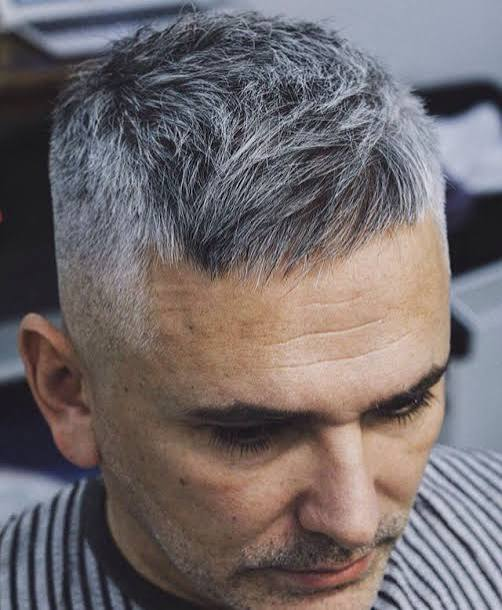
12. French Crop
Difficulty: Easy
Maintenance: Low
Styling Time: 3–5 minutes
Overview: A cropped fringe pushed slightly forward, paired with tapered or faded sides for a clean, low-fuss shape.
Why It Works: Straight or wavy hair takes the forward push well, and the short length flatters oval and square faces without adding bulk.
Styling Tip: Use a small amount of matte clay on dry hair and press the fringe forward and down for texture and separation.
Maintenance: This mens haircut needs a trim every 3–4 weeks to stop the fringe from getting shaggy. Maintenance and styling times are estimates and may vary by hair type.
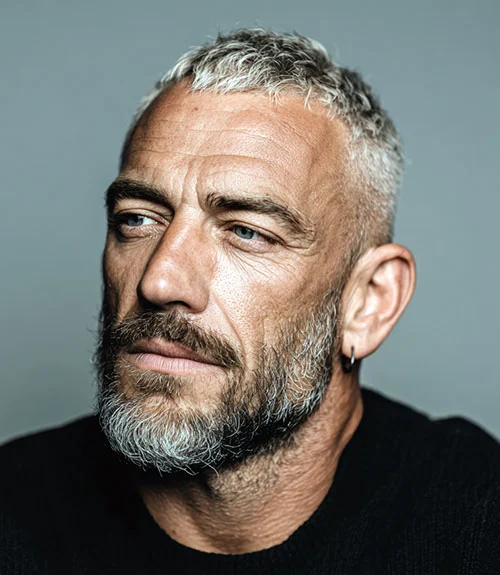
13. Low Fade with Textured Top
Difficulty: Medium
Maintenance: Medium
Styling Time: 5–8 minutes
Overview: A subtle low fade that starts just above the ears, paired with a textured, slightly longer top for contrast without being flashy.
Why It Works: This low fade approach works with nearly every hair type and flatters every face shape because the fade sits low and understated rather than high and dramatic.
Styling Tip: Apply a matte styling cream to damp hair and scrunch upward with your fingers to build natural texture as it dries.
Maintenance: Because low fades grow out more gracefully than high fades, you can stretch touch-ups to every 3 weeks. Maintenance and styling times are estimates and may vary by hair type.
14. Burst Fade Crop

Difficulty: Medium ·
Maintenance: Medium
Styling Time: 5–8 minutes
Overview: A burst fade curves around the ear rather than running in a straight line, paired here with a short, textured crop on top.
Why It Works: Wavy or curly hair shows the texture on top beautifully, and the curved fade flatters oval and square faces with a softer transition than a standard fade.
Styling Tip: Use a lightweight hair wax on dry hair to define individual pieces without weighing down the crop.
Maintenance: Burst fades need sharper upkeep than low fades — plan on a touch-up every 2–3 weeks to keep the curve clean. Maintenance and styling times are estimates and may vary by hair type.
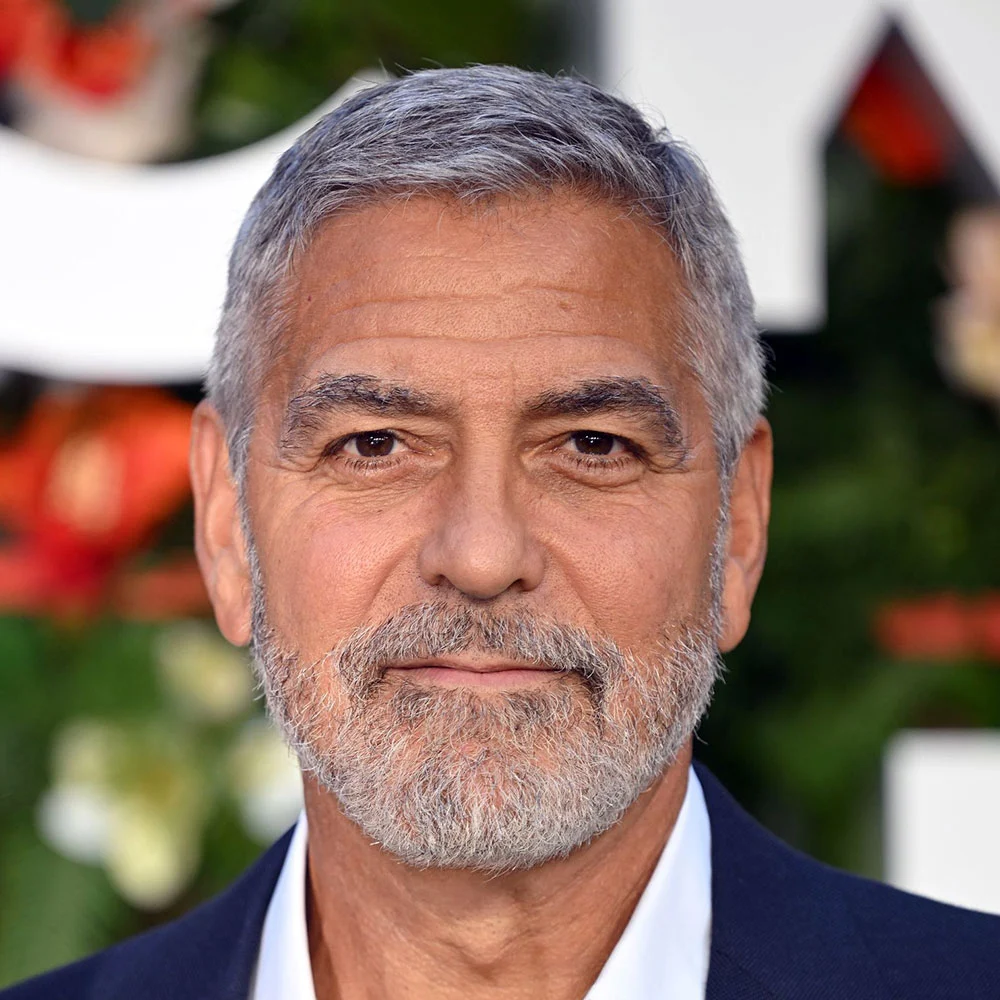
15. Silver Fox Comb Back

Difficulty: Medium
Maintenance: Medium
Styling Time: 5–8 minutes
Overview: Designed with grey and salt-and-pepper hair in mind, this comb back softens a slicked shape with more lift and visible texture.
Why It Works: Fine or thinning hair benefits from the extra volume this cut builds in, and it suits long or oval faces by keeping height without heaviness.
Styling Tip: Blow-dry with a round brush while combing hair away from the forehead, then set lightly with hair wax rather than a stiff pomade.
Maintenance: A trim every 4 weeks keeps the shape balanced, and a volumizing product on wash days helps combat natural thinning. Maintenance and styling times are estimates and may vary by hair type.
16. Taper Fade Side Part

Difficulty: Medium
Maintenance: Medium
Styling Time: 5–8 minutes
Overview: A defined side part with tapered, not fully faded, sides, offering a softer transition than a hard fade while still looking sharp.
Why It Works: Straight or fine hair holds a clean part, and the softer taper flatters square and oval faces without the high contrast of a skin fade.
Styling Tip: Comb a light-hold hair cream through damp hair, tracing the part before blow-drying to set the direction.
Maintenance: Trim every 3–4 weeks to keep the taper blended, and reset the part daily with a comb and a touch of product. Maintenance and styling times are estimates and may vary by hair type.
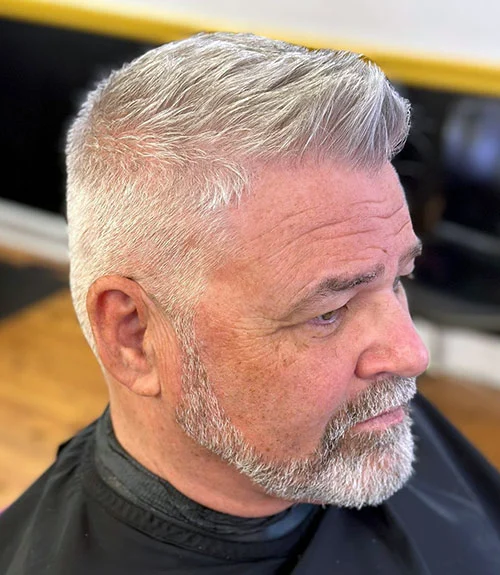
17. Short Spiky Crop
Difficulty: Medium
Maintenance: Medium
Styling Time: 5–7 minutes
Overview: Short layers on top styled upward into defined, slightly undone spikes, a youthful option that still reads as put-together.
Why It Works: Thick, straight hair holds spikes best, and the added height flatters round and oval faces by drawing the eye upward.
Styling Tip: Apply matte clay to damp hair and pinch small sections upward between your fingers, avoiding perfect symmetry for a natural look.
Maintenance: Keep it trimmed every 3–4 weeks so the layers don’t grow too heavy to hold their shape. Maintenance and styling times are estimates and may vary by hair type.
18. Modern Mullet

Difficulty: Medium
Maintenance: Medium
Styling Time: 8–10 minutes
Overview: A contemporary take on a retro classic, with a neat, faded top and sides and noticeably more length left through the back.
Why It Works: Thick or wavy hair gives the back section movement, and it suits oval and longer faces by balancing a structured front with softer length behind.
Styling Tip: Use a sea salt spray on the back section to add texture and separation, keeping the front controlled with a matte cream.
Maintenance: The faded sides need a touch-up every 2–3 weeks, while the back only needs a light trim every couple of months to maintain shape. Maintenance and styling times are estimates and may vary by hair type.
19. Natural Curly Crop
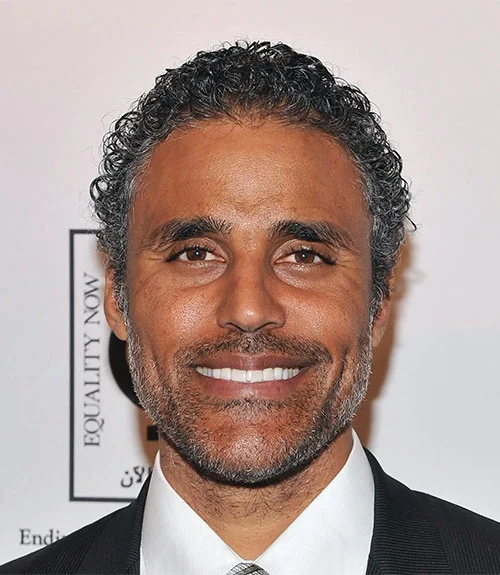
Difficulty: Easy
Maintenance: Low
Styling Time: 3–5 minutes
Overview: A short cut that works with your curl pattern instead of fighting it, keeping the sides tight so the curls on top stand out.
Why It Works: Naturally curly or coily hair is essential for this look, and the tight sides flatter oval and round faces by keeping the silhouette controlled.
Styling Tip: Scrunch a small amount of curl cream into damp hair to define curls and reduce frizz, then let it air-dry.
Maintenance: Trim every 4–5 weeks to keep curls from growing bulky, and avoid brushing dry curls, which can create frizz instead of definition. Maintenance and styling times are estimates and may vary by hair type.
20. Bald Fade with Full Beard

Difficulty: Medium
Maintenance: Low
Styling Time: Under 3 minutes
Overview: A fade that tapers down to skin at the sides and back, paired with a fuller beard for a balanced, high-contrast look.
Why It Works: This works with any hair type on top, including thinning or receding hair, and the beard balances proportions for every face shape by adding structure at the jaw.
Styling Tip: No top styling required if the top is buzzed short — focus your styling routine on beard oil to keep the beard itself soft and shaped.
Maintenance: Fades need refreshing every 2–3 weeks, and the beard should be trimmed weekly with clippers to maintain its line. Maintenance and styling times are estimates and may vary by hair type.
21. Long Textured Brush Up

Difficulty: Advanced
Maintenance: High
Styling Time: 10–15 minutes
Overview: Longer layers on top are brushed upward and back for maximum height and movement, with tapered sides keeping the overall shape controlled.
Why It Works: This style needs thick, straight hair to hold real lift, and the added height flatters oval and longer faces with a bold, confident profile.
Styling Tip: Start with a volumizing mousse on damp hair, blow-dry upward with a round brush, then secure with a light-hold pomade so it moves rather than sets stiff.
Maintenance: This is the highest-upkeep cut on the list, expect daily styling and a trim every 3–4 weeks to keep the length manageable. Maintenance and styling times are estimates and may vary by hair type.
How To Choose The Right Hairstyle
Picking the right older mens hairstyle comes down to two things: your hair type and your face shape. Here’s a beginner-friendly breakdown.
By Hair Type:
- Thick hair handles height and volume well; pompadours, quiffs, and brush backs are all strong options.
- Thin hair looks fuller with shorter, textured cuts like a crop or crew cut, since long, flat lengths expose thinness.
- Curly hair looks best kept short on the sides so the curl pattern on top can shine without becoming bulky.
- Straight hair takes a clean part or slick shape well, since it holds a defined line without much fuss.
- Wavy hair is the most versatile texture and suits nearly every style on this list, from a textured crop to a brush back.
By Face Shape:
- Oval faces can wear almost any style, since the proportions are already balanced.
- Round faces benefit from added height on top, like a quiff or spiky crop, to elongate the face.
- Square faces look sharp with structured cuts like a side part or slicked undercut that echo the strong jawline.
- Long faces do well with styles that add width rather than height, such as a brush back or textured crop.

How To Ask Your Barber For This Style
Getting the cut you want starts with clear communication. Keep these six tips in mind at your next appointment.

Product Recommendations
Hair Cream Best For: Fine or straight hair that needs light hold without stiffness. How To Use: Work a dime-sized amount through damp hair before styling for a natural, flexible finish.
Pomade
Best For: Slicked, combed, or side-part styles that need shine and strong hold.
How To Use: Warm a small amount between your palms and comb through damp or dry hair, section by section.
Wax
Best For: Textured or spiky styles that need definition without heavy shine.
How To Use: Rub a pea-sized amount between fingertips and apply to dry hair, pinching sections for texture.
Clay
Best For: Thick or coarse hair that needs matte texture and a strong, natural-looking hold.
How To Use: Rub between palms until slightly warm, then work through dry hair with fingers for separation.
Shampoo
Best For: Mature hair and scalp, especially with thinning or greying hair.
How To Use: Massage into a wet scalp for 30–60 seconds to remove buildup without stripping natural oils.
Conditioner
Best For: Coarse, curly, or dry hair types that need extra softness.
How To Use: Apply from mid-length to ends after shampooing, leaving it in for a minute before rinsing.
How to Style Older Men’s Hairstyles
Start with clean, towel-dried hair. Pick your product by finish: matte clay for texture, pomade for shine, cream for a soft natural look.
Work the product through from roots to ends while hair is still damp. Shape it early — product sets as hair dries, so decide on the part or direction up front.
Keep the neckline and edges clean between barber visits. A tidy neckline makes any haircut look sharper.
Final Thoughts
Your hair changes with age, but that doesn’t mean your options shrink — if anything, the right older mens hairstyle can make you look sharper and more put-together than you did a decade ago. The key is choosing a cut that works with your current hair type and face shape rather than chasing a look from your twenties.
Don’t be afraid to bring a few of these styles to your next barber appointment and ask which one fits your lifestyle best. A quick conversation about maintenance and styling time can save you from picking a look that doesn’t match your morning routine. Whichever style you choose, a confident, well-groomed cut is one of the simplest ways to feel like yourself again.
For more mens haircuts you can follow us on Pinterest.
7. FAQS
What hairstyle hides thinning hair for men?
Short, textured cuts like a crop or comb over fade hide thinning hair best. They add visual density on top while keeping sides short, so the contrast draws attention away from sparse areas.
Do fades look good on older men?
Yes. A low or mid fade adds structure and looks age-appropriate without appearing overly trendy. High fades can look sharp too, especially paired with a beard for balance.
What haircut works best for a receding hairline?
Shorter cuts with more length forward, like a French crop or textured crop, work well. They shift visual focus away from the hairline while keeping the overall shape neat.
What hairstyle makes an older man look younger?
Cuts with a bit of height or texture, like a quiff or textured crop, tend to look more youthful than flat, overly slicked styles. Fresh, clean lines also help.
Is a buzz cut good for grey hair?
Yes. A buzz cut lets grey hair show naturally without styling effort, and it works with thinning areas since there’s no length to expose gaps in coverage.